
A practical production system built around ecology, productivity, and long-term resilience
Our agricultural system is designed to bring together managed grazing, perennial plantings, annual production, and ecological infrastructure into one coordinated framework. Rather than treating these as separate enterprises, this approach views the farm as an integrated living system where each part contributes to the strength, function, and productivity of the whole.
The goal is to create a biologically integrated model that improves soil health, supports biodiversity, strengthens climate resilience, and maintains practical, real-world farm viability. This is not simply a collection of regenerative practices. It is a structured, measurable production system intended to connect ecological performance with operational and economic outcomes.
A whole-farm approach
Modern agriculture often separates livestock, annual crops, and perennial systems for the sake of specialization. Our model takes a different path. It intentionally combines these elements into an interdependent system designed to improve nutrient cycling, land productivity, forage performance, and long-term farm function.
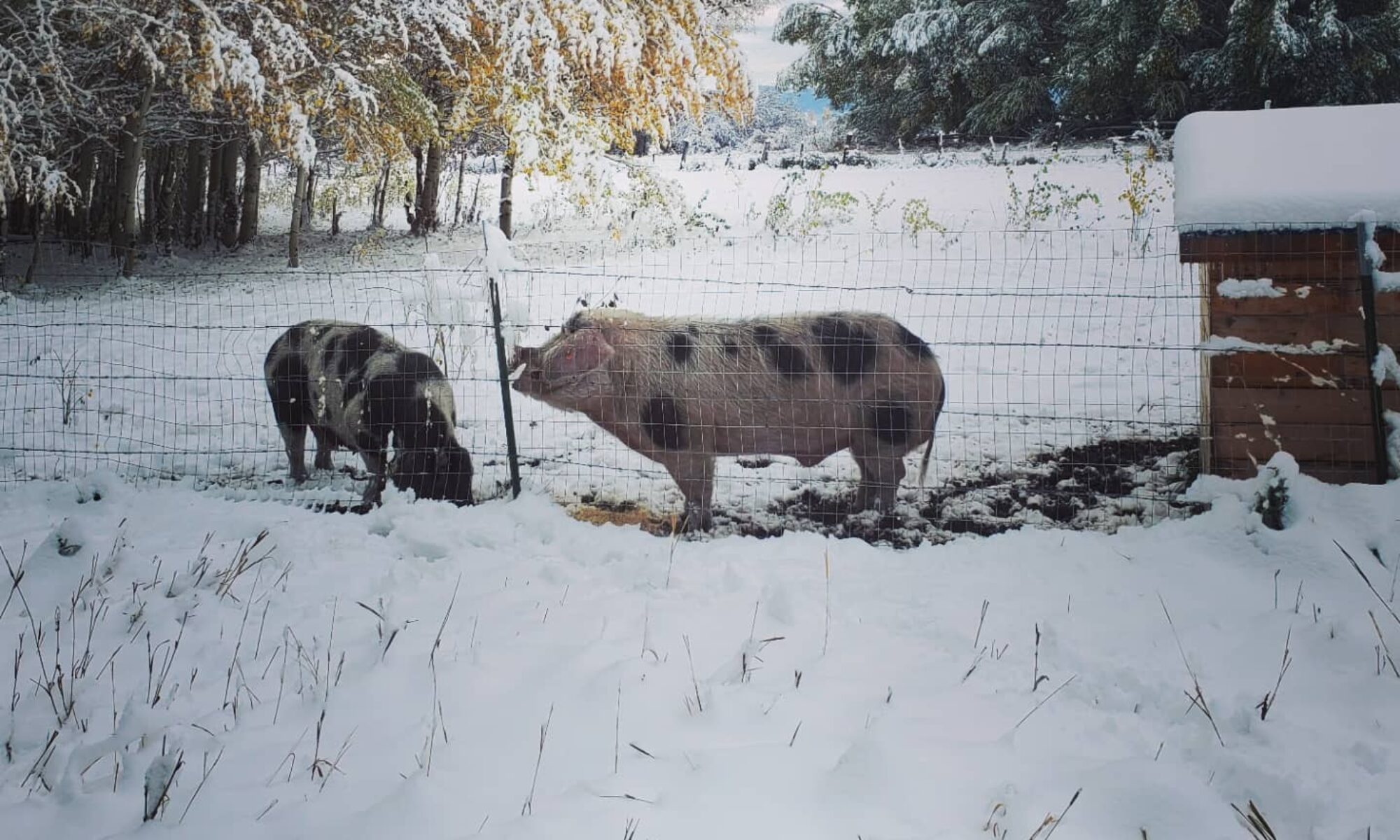
This system includes managed livestock rotations, perennial hedgerows and multi-layer plantings, annual forage and crop production, and ecological infrastructure that supports the entire operation. Each component is designed to work with the others rather than in isolation.
What makes this system different
What sets this approach apart is its emphasis on structure, measurement, and repeatability. Many alternative production systems depend heavily on local knowledge and site-specific experience, which can make them difficult to replicate. Our focus is on translating ecological complexity into practical management variables that can be observed, refined, and applied more broadly.
This creates the foundation for a production model that is not only ecologically sound, but also practical to manage and adaptable across different farm contexts.